There’s something incredibly satisfying about returning to a film franchise you’ve loved for years and discovering that there’s still so much more to appreciate about the characters and stories you thought you already understood. We’ve spent five films exploring the world of Panem, witnessing the brutality of the Capitol, the resilience of its citizens, and the sacrifices made by those brave enough to challenge a system designed to keep them powerless. Yet somehow, with The Hunger Games: Sunrise on the Reaping, director Francis Lawrence manages to make this familiar world feel exciting again while delivering something I didn’t realize I needed quite so badly: a deeper understanding of Haymitch Abernathy.
I’ll admit, there’s always a little hesitation whenever Hollywood announces another prequel to an established franchise. We’ve seen studios return to familiar properties countless times, sometimes with incredible results and other times leaving audiences wondering whether the story really needed to be told. Thankfully, Sunrise on the Reaping falls firmly into the former category, offering a story that feels not only worthy of its predecessors but essential to understanding them.
I had the opportunity to catch an advance screening in IMAX, and considering the film was specifically made for the format, I couldn’t have asked for a better way to experience it. From the enormous scale of the arena to the intimate moments that make these characters feel painfully human, the experience was absolutely fantastic. More importantly, Sunrise on the Reaping accomplishes something that I think is remarkably difficult for any prequel. It doesn’t simply tell us what happened before the movies we already love. It fundamentally changes how we understand everything that comes afterward.
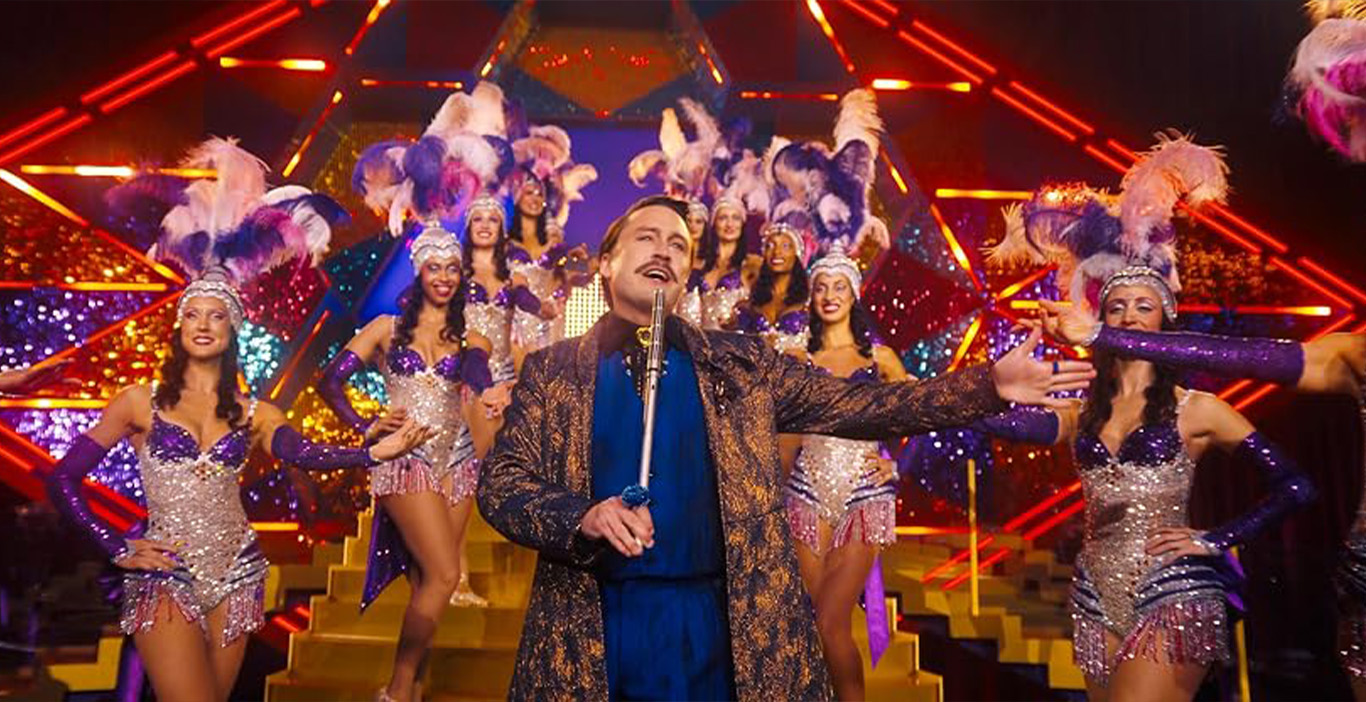
The Games Before the Girl on Fire
Based on Suzanne Collins’ bestselling novel, The Hunger Games: Sunrise on the Reaping takes audiences back 24 years before Katniss Everdeen would volunteer as tribute and unknowingly become the face of a revolution. This time, our story follows 16-year-old Haymitch Abernathy (Joseph Zada), a young resident of District 12 whose life is forever changed when he’s selected to participate in the 50th Hunger Games, also known as the Second Quarter Quell.
For those familiar with the franchise, the Quarter Quell introduces an especially cruel twist to the Capitol’s already barbaric tradition. Instead of the usual 24 tributes, the districts must send twice as many children into the arena, creating a spectacle designed to remind Panem just how much power President Snow and the Capitol hold over their lives.
As Haymitch navigates the horrifying reality of the Games, he finds himself surrounded by fellow tributes, unexpected allies, and individuals whose actions will have lasting consequences for the future of Panem. Among them is Maysilee Donner (Mckenna Grace), whose relationship with Haymitch becomes an important part of a story that extends far beyond simply surviving the arena.
What unfolds is a heartbreaking exploration of resistance, manipulation, sacrifice, and the devastating cost of surviving a system that was never designed to let you win.
One of the things I appreciated most about this adaptation is just how faithfully it captures the spirit of Collins’ novel. Translating a story with this much emotional and political weight into a feature film is no small undertaking, particularly when audiences already know where certain characters will eventually end up. Yet Lawrence and his team manage to preserve the important relationships, themes, and emotional revelations that make the source material so compelling.
There’s a tremendous amount of respect for the story being told, and that commitment pays off in ways that longtime readers and moviegoers alike will appreciate.

Joseph Zada Gives Haymitch the Story He Deserves
For years, audiences have known Haymitch Abernathy through Woody Harrelson’s wonderfully cynical, sarcastic, and frequently intoxicated portrayal in the original films. He’s the reluctant mentor who somehow manages to balance genuine wisdom with an almost impressive ability to be completely insufferable. Yet beneath all that bitterness, we’ve always understood that there’s something deeply wounded about him.
What Zada accomplishes in Sunrise on the Reaping is giving that wounded man a face before the scars.
His performance is outstanding, capturing the youthful determination, intelligence, and vulnerability of someone who hasn’t yet been completely consumed by the horrors of the world around him. There’s a sincerity to his portrayal that makes Haymitch immediately sympathetic, particularly when we recognize the qualities that will eventually become buried beneath decades of grief and resentment.
What impressed me most was how naturally Zada establishes the foundation of the character we’ve known for years without simply attempting to imitate Harrelson. The familiar sarcasm and defiance are certainly present, but they belong to a younger man who still believes he might have some control over his future.
Watching that optimism slowly confront the reality of the Capitol’s cruelty is genuinely heartbreaking.
There’s an added emotional weight to knowing where Haymitch eventually ends up. Every moment of happiness feels a little more precious, every connection carries a greater sense of urgency, and every devastating turn becomes another piece of the person he’ll eventually become.
By the time the film reaches its conclusion, I found myself thinking less about the sarcastic mentor who helped Katniss and Peeta survive and more about the young man who had to endure so much before ever meeting them. That’s an incredible accomplishment for a performance that could have easily been overshadowed by the character’s established legacy.
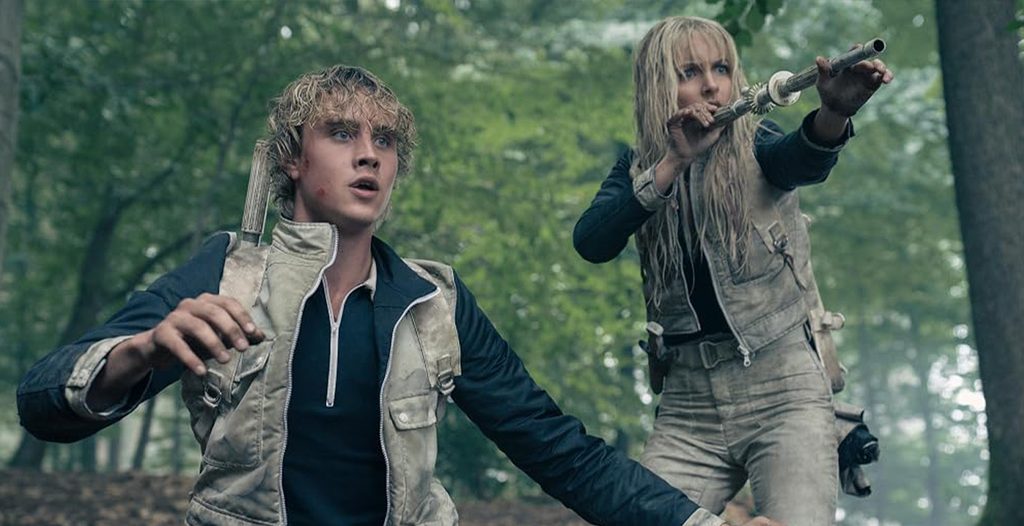
An Ensemble That Understands the Assignment
Of course, Zada isn’t carrying this movie alone. In fact, one of the greatest strengths of Sunrise on the Reaping is its absolutely stacked ensemble cast.
Jesse Plemons, Ralph Fiennes, Glenn Close, Kieran Culkin, Elle Fanning, Mckenna Grace, Maya Hawke, Whitney Peak, and Kelvin Harrison Jr. all contribute to a collection of performances that make this return to Panem feel every bit as impressive as the films that came before it.
What I particularly enjoyed about this cast is how naturally everyone seems to inhabit the world Collins created. There’s an important balance that performers in this franchise have always needed to maintain. The Capitol is theatrical, excessive, and frequently absurd, while the districts exist in a reality defined by poverty, fear, and the constant threat of violence. Finding the right tone between those extremes can be difficult, but this ensemble handles it beautifully.
Ralph Fiennes brings a wonderfully unsettling presence to President Snow, capturing the calculated cruelty of a man who understands that maintaining power often requires convincing others that his brutality is necessary. There’s something particularly fascinating about watching a younger version of the character we’ve come to associate with Donald Sutherland, especially when we recognize the beginnings of the ruthless political strategist who will eventually become Katniss Everdeen’s greatest enemy.
Jesse Plemons is another tremendous addition, bringing a level of complexity and emotional authenticity that makes his presence immediately compelling. Plemons has always been one of those actors who can communicate an incredible amount with the smallest change in expression, and that ability fits perfectly within a story where so much of the danger exists beneath what characters are willing to say aloud.
Kieran Culkin and Elle Fanning are equally captivating, helping bring the theatrical world of the Capitol to life while reminding audiences just how strange and disturbing its obsession with the Games has become. Their performances contribute to the franchise’s familiar contrast between spectacle and suffering, where entertainment and cruelty have become practically indistinguishable.
Meanwhile, Glenn Close, Maya Hawke, Whitney Peak, and Kelvin Harrison Jr. bring additional personality and emotional depth to a story already overflowing with memorable characters. Mckenna Grace is particularly effective as Maysilee Donner, providing an important emotional connection within Haymitch’s journey and helping reinforce just how much humanity the Capitol is determined to strip away from its tributes.
It’s an impressive collection of talent, but what makes the ensemble work so well isn’t simply the recognizable names attached to the production. It’s the way these performances contribute to a larger story about people struggling to maintain their identities within a system designed to turn them into disposable entertainment.

Francis Lawrence Knows Exactly What Makes Panem Terrifying
One of the things I’ve always appreciated about Francis Lawrence’s work within The Hunger Games franchise is his understanding that the true horror of Panem doesn’t necessarily come from the violence inside the arena.
It comes from the society that celebrates it.
There’s something profoundly disturbing about watching an entire civilization treat the suffering of children as a national event, complete with elaborate presentations, carefully constructed narratives, and personalities designed to make the brutality more entertaining.
Sunrise on the Reaping continues exploring that uncomfortable relationship between spectacle and oppression, reminding audiences that the Capitol’s greatest weapon isn’t simply its military strength. It’s the ability to control how people perceive the world around them.
The Games aren’t just about punishment. They’re about propaganda, manipulation, and ensuring that every district understands the consequences of resistance. Lawrence handles these ideas with tremendous confidence, allowing the film’s political commentary to emerge naturally through its characters rather than constantly reminding audiences what they’re supposed to think.
There’s also something particularly effective about how the film balances its larger political themes with the deeply personal consequences of the Games. We understand the significance of what Haymitch experiences because we see how those events affect him as an individual, not simply because we know they’ll eventually become important to the franchise’s mythology.
The result is a film that feels both intimate and enormous, which is exactly what I want from a Hunger Games story.
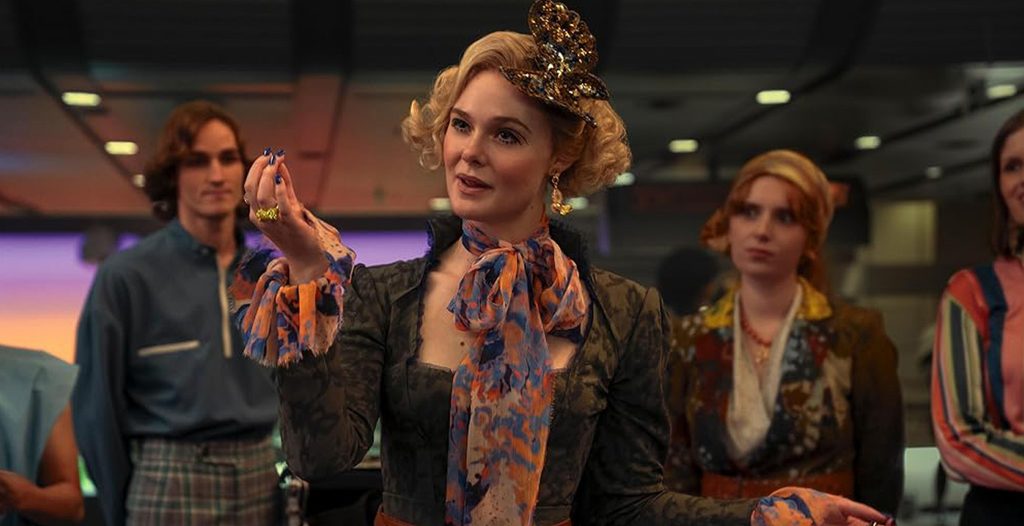
A Prequel That Makes the Original Trilogy Even Better
Perhaps my favorite thing about Sunrise on the Reaping is the sense of completion it provides.
That might sound strange considering this is a prequel taking place decades before the events of the original trilogy, but there’s something incredibly rewarding about watching pieces of a story you’ve known for years finally fall into place.
Throughout the film, we’re introduced to familiar names, relationships, and circumstances that add new layers to the characters who eventually become instrumental in Katniss Everdeen’s journey. Some connections are immediately recognizable, while others gradually reveal their significance as the story unfolds.
I loved discovering how these relationships help explain the motivations, behaviors, and decisions of characters we’ve spent so much time with throughout the franchise.
More importantly, the film gives us a completely different perspective on Haymitch.
When we first meet him in the original trilogy, he’s a bitter, emotionally exhausted man who seems to have accepted that the world is an awful place and that surviving it requires keeping everyone at a distance. His alcoholism and cynical outlook are often played for humor, but there’s always been an underlying sadness to his character.
Sunrise on the Reaping finally allows us to understand the depth of that sadness.
Suddenly, the way he interacts with Katniss and Peeta carries an entirely different meaning. His reluctance to form attachments, his instinct to protect the people he cares about, and his seemingly contradictory combination of compassion and cruelty begin to make considerably more sense.
What once felt like the personality of a deeply damaged man becomes the result of a lifetime spent carrying memories that most people could never begin to understand.
I think that’s what makes this film so emotionally satisfying. It doesn’t attempt to change the Haymitch we already know. It helps us understand why he became that person. For longtime fans of the franchise, that’s an incredibly meaningful gift.
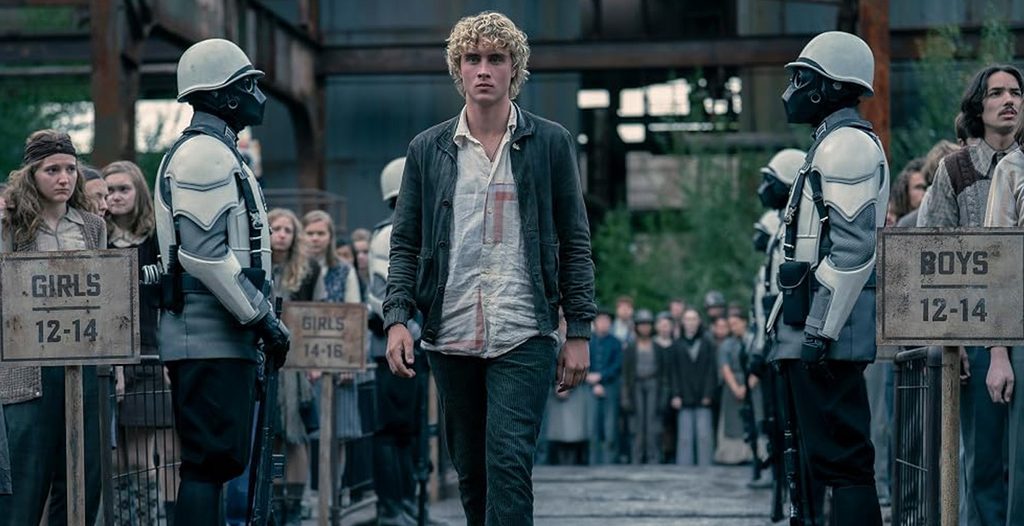
The Hunger Games Still Has Plenty Worth Fighting For
Six films into a franchise, I think it’s reasonable to wonder whether there are still meaningful stories left to tell. We’ve already witnessed the rise of the Mockingjay, the collapse of President Snow’s regime, and the devastating consequences of a society built upon fear and oppression.
What more could we possibly need to know? Apparently, quite a bit.
The Hunger Games: Sunrise on the Reaping is a tremendous addition to the franchise, delivering an emotionally powerful story that manages to feel essential rather than obligatory. Francis Lawrence continues to demonstrate an exceptional understanding of Suzanne Collins’ world, balancing the spectacle audiences expect with the deeply human storytelling that made these films so compelling in the first place.
The performances are outstanding across the board, with Joseph Zada delivering a portrayal of Haymitch Abernathy that deserves to be remembered alongside Woody Harrelson’s interpretation of the character. The supporting ensemble is equally impressive, the world-building remains fascinating, and the film’s commitment to honoring its source material gives longtime readers plenty to appreciate.
But what ultimately stayed with me wasn’t the spectacle of the arena or the excitement of returning to Panem. It was the realization that a character I’ve known for years suddenly felt like someone I was meeting for the first time. There’s something genuinely beautiful about that.
We spend so much of the original trilogy watching Haymitch attempt to guide two young people through a nightmare he understands better than anyone. We recognize his wisdom, laugh at his sarcasm, and occasionally become frustrated with his inability to express what he’s feeling. What we don’t fully recognize until now is just how much of himself he’s already lost before Katniss and Peeta ever enter his life.
Knowing his story doesn’t make those moments easier to revisit. If anything, it makes them considerably more heartbreaking. But it also makes his eventual role in their survival, and the larger rebellion against the Capitol, feel that much more meaningful.
I walked out of my screening with a tremendous appreciation for what Lawrence and his cast accomplished, but also with an unexpected desire to revisit the original films. Not because Sunrise on the Reaping left its story unfinished, but because it made a story I already loved feel complete in a way I hadn’t anticipated.
That’s exactly what a great prequel should accomplish. The Hunger Games: Sunrise on the Reaping doesn’t simply show us how Haymitch Abernathy survived the Games. It finally helps us understand everything he had to live with afterward.
For a franchise that has always explored the consequences of survival, I can’t think of a more fitting or emotionally rewarding story to tell. And after six films, I’m genuinely impressed that this universe still has the power to surprise me.
Rating: 4.5/5 atoms

The Hunger Games: Sunrise on the Reaping makes its way to theaters this Friday.