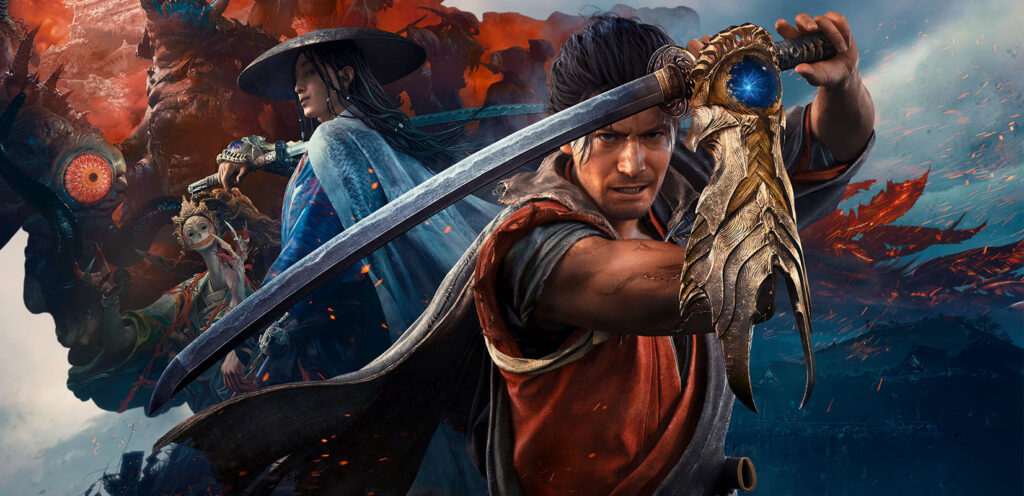
It’s been more than twenty years since I last played an Onimusha game. I’ve played nearly every title in the series except for Onimusha: Dawn of Dreams, and I spent years hoping Capcom would bring the franchise back. When Onimusha: Way of the Sword was finally announced, I couldn’t help but have high expectations.
After spending around 42 hours on the main story and side content, I had mixed feelings. Way of the Sword has a lot going for it: the sword fighting is often spectacular, the characters are fun, and Musashi might be my favorite protagonist in the series. Even so, I wasn’t sure the game delivered the return I had hoped for. Primarily, because its strongest elements didn’t fully outweigh its weaker ones.
Unfortunately, I found it harder to love this game than I hoped, mostly because of some questionable choices with the difficulty, boss fights, and overall pacing. Those issues kept Way of the Sword from feeling like the comeback I wanted, even though its combat and characters do a lot right.
At its core, Onimusha: Way of the Sword is a lot of fun to play.
The sword fighting is fast, smooth, and a lot of fun when everything comes together. Musashi defeats enemies with a cinematic flair, especially when he takes down several Genma in a row. At its best, the swordplay feels like a samurai version of John Wick.
It’s easy to pick up the combat system, but mastering it is another challenge entirely.
Blocking, parrying, and dodging aren’t just extra moves—they’re the heart of the system. If you just mash buttons, you’ll go down fast, and the enemies make it clear you need to balance aggression with patience.
I relied heavily on parrying during my playthrough, mainly because I couldn’t consistently pull off Reflex Dodges. At first, parrying is pretty forgiving, but later bosses become much faster and harder to predict, so you have to react quickly to avoid losing a lot of health.
Of course, you can upgrade Musashi’s sword, armor, and Oni Gauntlet by finding materials in the world or buying them with Red Souls. Even so, Way of the Sword never lets you just overpower enemies. Survival still depends on how well you can parry or dodge attacks, even with better gear.
A lingering issue is that the game doesn’t explain some mechanics well. For example, at first I didn’t know whether to press Square or Triangle at the right time during Blade Barrage. However, turning on the Action Prompts setting helped a lot by showing the correct button prompts during attacks. As a result, the system became much easier to follow.
I strongly recommend turning that option on.
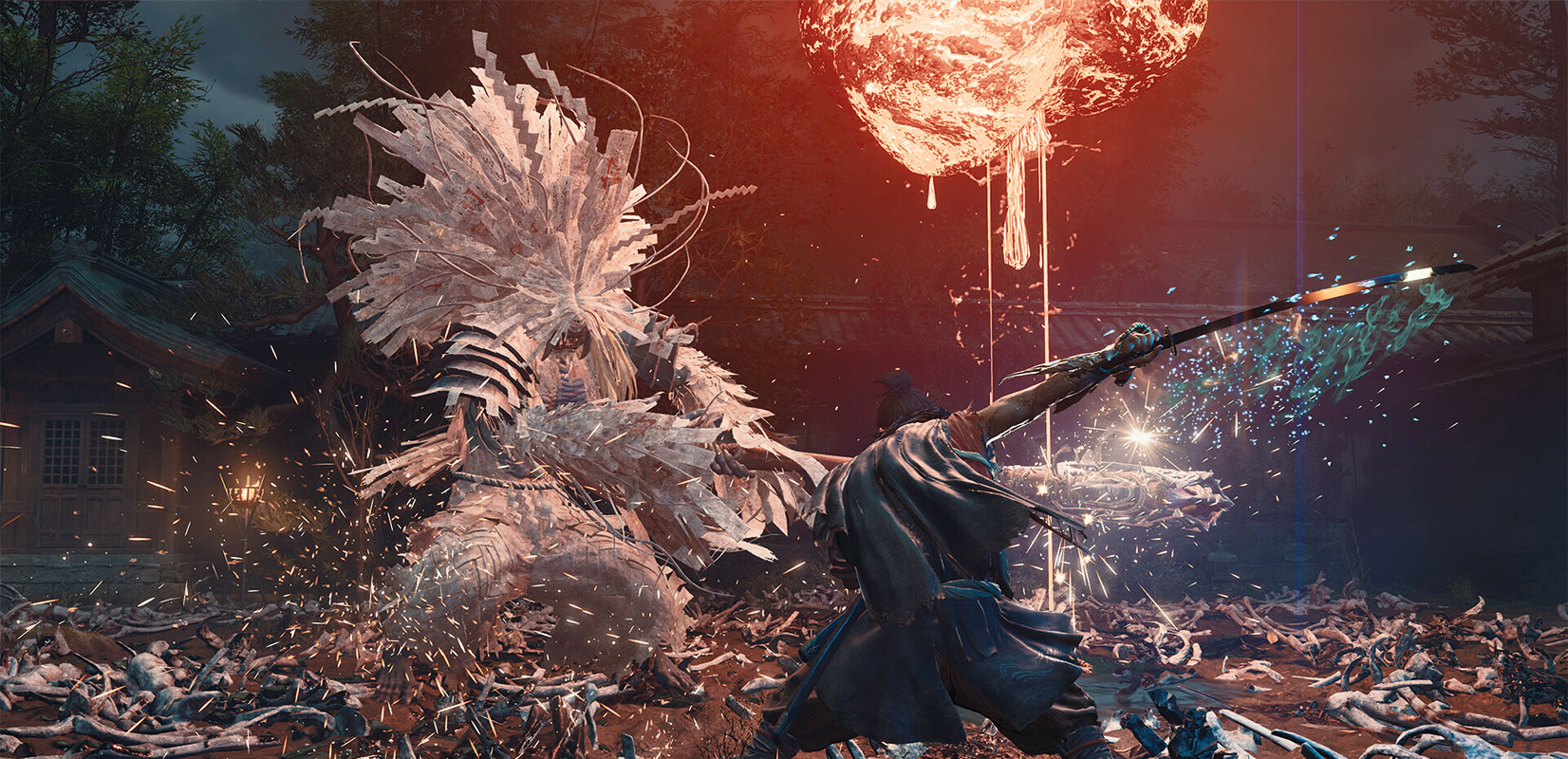
Action Mode Is Brutal
Here’s another tip: don’t be misled by the difficulty names.
Story Mode is basically what I’d call Normal difficulty, while Action Mode feels more like Hard Mode.
I spent about 40 of my 42 hours playing in Action Mode before switching to Story Mode for a while, since two bosses became too frustrating to keep fighting at the higher difficulty.
Onimusha: Way of the Sword includes many features you’d expect from challenging action games inspired by the Souls series. The combat is tough, but you learn from each fight. The game punishes reckless attacks, and boss fights require you to recognize patterns. Healing means waiting for the right moment, and the game expects you to learn from your mistakes.
The difficulty itself isn’t my issue. What bothered me was that overcoming it in Way of the Sword doesn’t always feel satisfying.
Boss fights often became more annoying than rewarding. Most bosses have two stages, and the final boss has three. If you die in a later stage, you have to start over from the beginning. You might parry attacks successfully for 10 or 15 minutes, save your resources, and stick to your strategy, only for one mistake to ruin everything.
Healing adds to the stress because it isn’t instant. Musashi has to finish an eating animation before his health comes back. Against aggressive bosses, just finding a moment to heal can be tough. Plus, if you get caught by certain attacks, bosses can enter Blaze State, making an already tough fight even harder.
I usually knew why I died, but just understanding your mistake doesn’t make the frustration of having to repeat precise defensive moves any easier.
Many times when I beat a boss, I felt more relieved—or even lucky—than accomplished. That’s an important distinction.
In games that focus on punishing the player, beating a tough enemy should feel exciting. But whenever I defeated a boss in Way of the Sword, I usually just thought, “Well, I’m glad that’s over.”
Because bosses and sub-bosses show up so often, they stop feeling special. What should be dramatic encounters instead become another obstacle between you and the next part of the story.
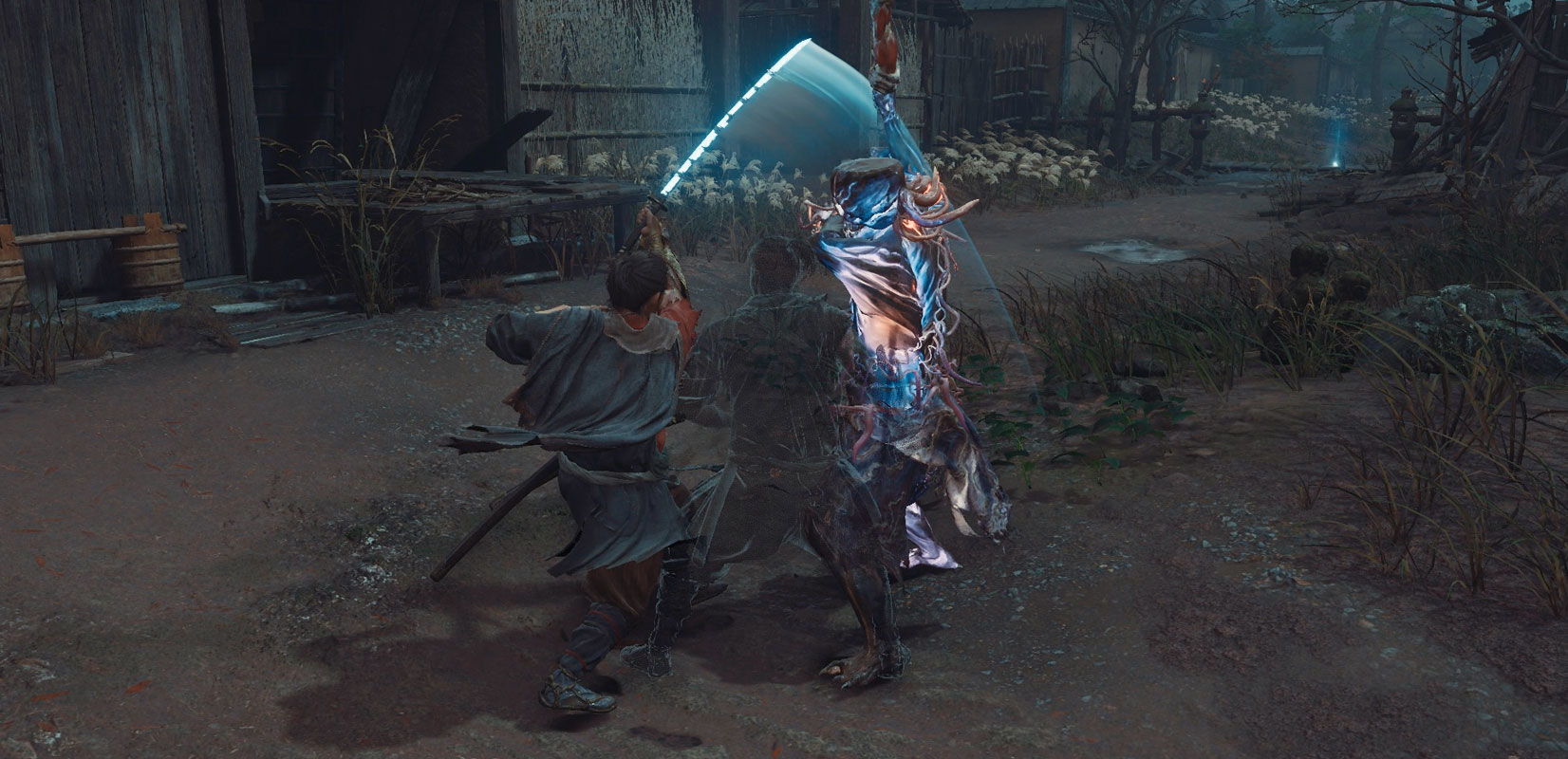
Your Biggest Enemy Might Be the Camera
Not all the difficulty problems come from enemy design. The lock-on camera also needs improvement.
There are times when Way of the Sword often puts Musashi in tight combat spaces. Unfortunately, the camera tends to bump into objects or buildings that block your view of the enemy.
In a game where spotting incoming attacks means the difference between a successful parry and losing a lot of health, blocking the view of an enemy is a big problem. It becomes another thing for you to overcome when the deck is already stacked against you.
Enemy groups are especially frustrating for this reason. Regular enemies aren’t that smart on their own, but if enough aggressive Genma show up with some tougher enemies, things can get overwhelming fast.
Having a variety of enemies is a plus. Some require you to use ranged attacks, while others dodge and force you to play defensively until they find an opening.
Early on, these combinations make fights interesting. Later on, though, fights can get boring because the game throws too many enemies at you at once.
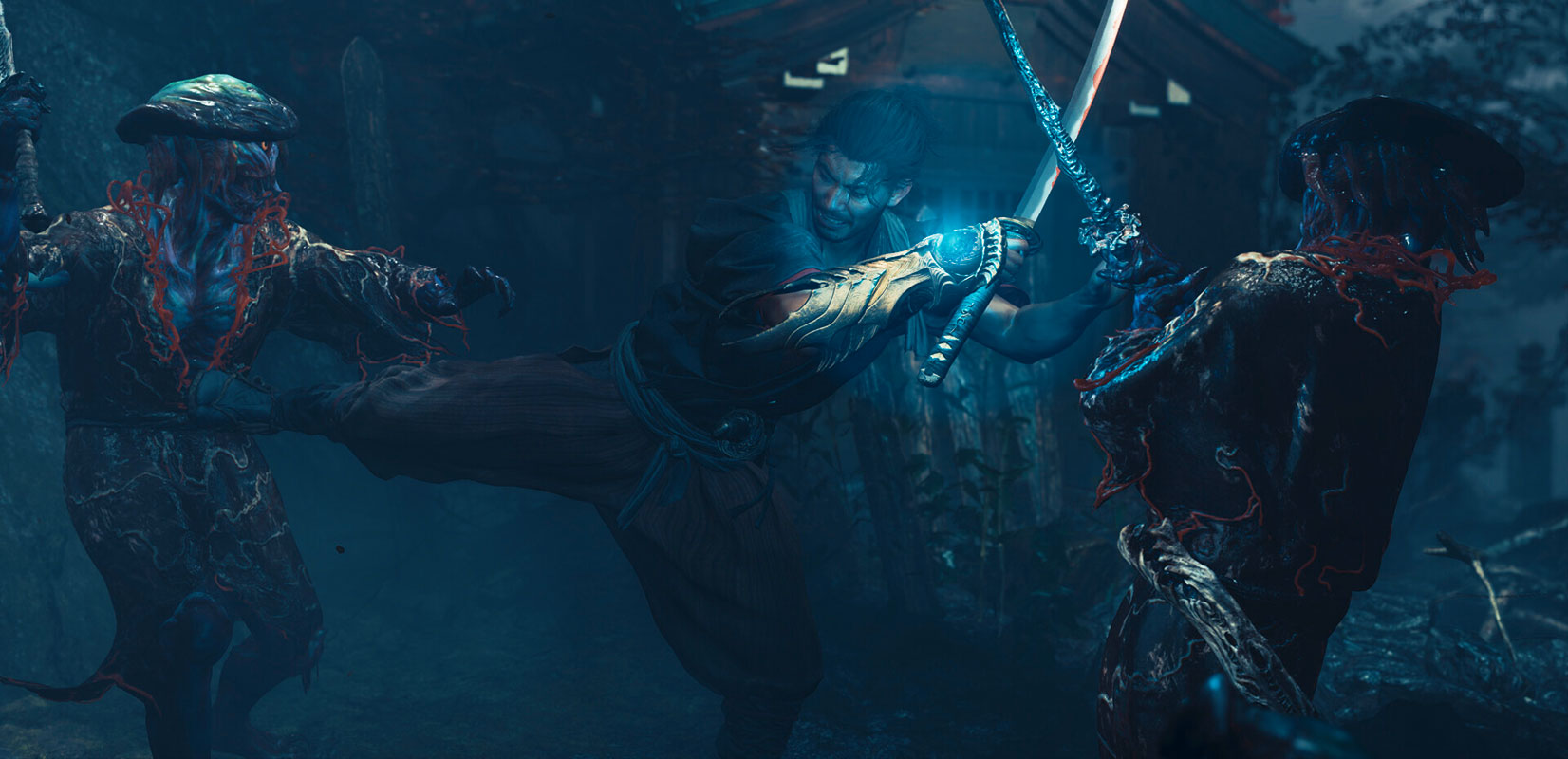
Musashi Steals the Show
Fortunately, the story gave me a strong motive to keep moving forward. Musashi starts as a cocky young man whose sharp tongue and stubbornness often get him into trouble.
The use of Toshiro Mifune’s likeness works really well for Musashi. There are lots of small details in how Musashi moves and acts that remind me of Mifune’s performances, like the way he sometimes scratches his face. Even a small movement during a fight can show Musashi’s confidence, which fits the character perfectly.
The Japanese voice actors also do a great job, giving the supporting characters a lot of personality.
The story is a large-scale dark fantasy samurai drama with horror elements, world-ending stakes, and some humor thanks to Musashi’s personality. His journey is about self-discovery and grappling with a power he never wanted, and he is the character I care about most.
Fortunately, people new to the series should not have any difficulty understanding the plot, since it isn’t necessary to know the earlier Onimusha games beyond a basic grasp of the Oni Gauntlet and the Genma.
The villains are entertainingly evil, even if they aren’t very complex. You end up hating them, but their motivations aren’t deep enough to make them feel like more than one-dimensional characters.
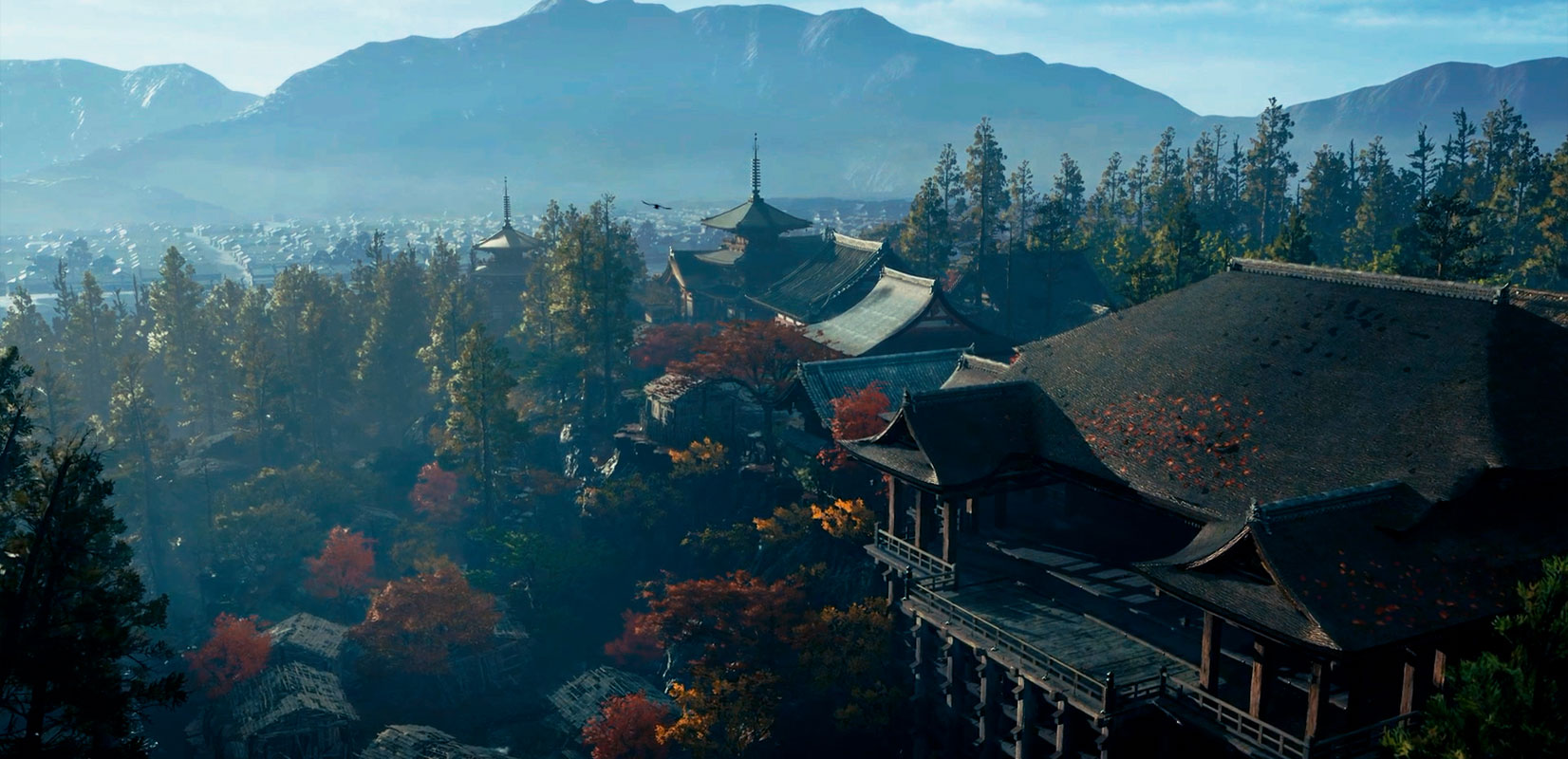
Beautiful—Most of the Time
Onimusha: Way of the Sword can look absolutely stunning at times.
The environments are beautifully detailed, the Genma designs are excellent, and the combat animations are spectacular. Musashi’s cinematic scenes especially do a great job showing his facial expressions and mannerisms.
However, there’s a clear difference between those cinematic scenes and the regular cutscenes. Sometimes the characters look a bit flat. The lighting, shadows, and textures feel more like those from the PS4 era, and at times the character models seem almost separate from the detailed environments around them.
The presentation is never damaged, though the difference is noticeable.
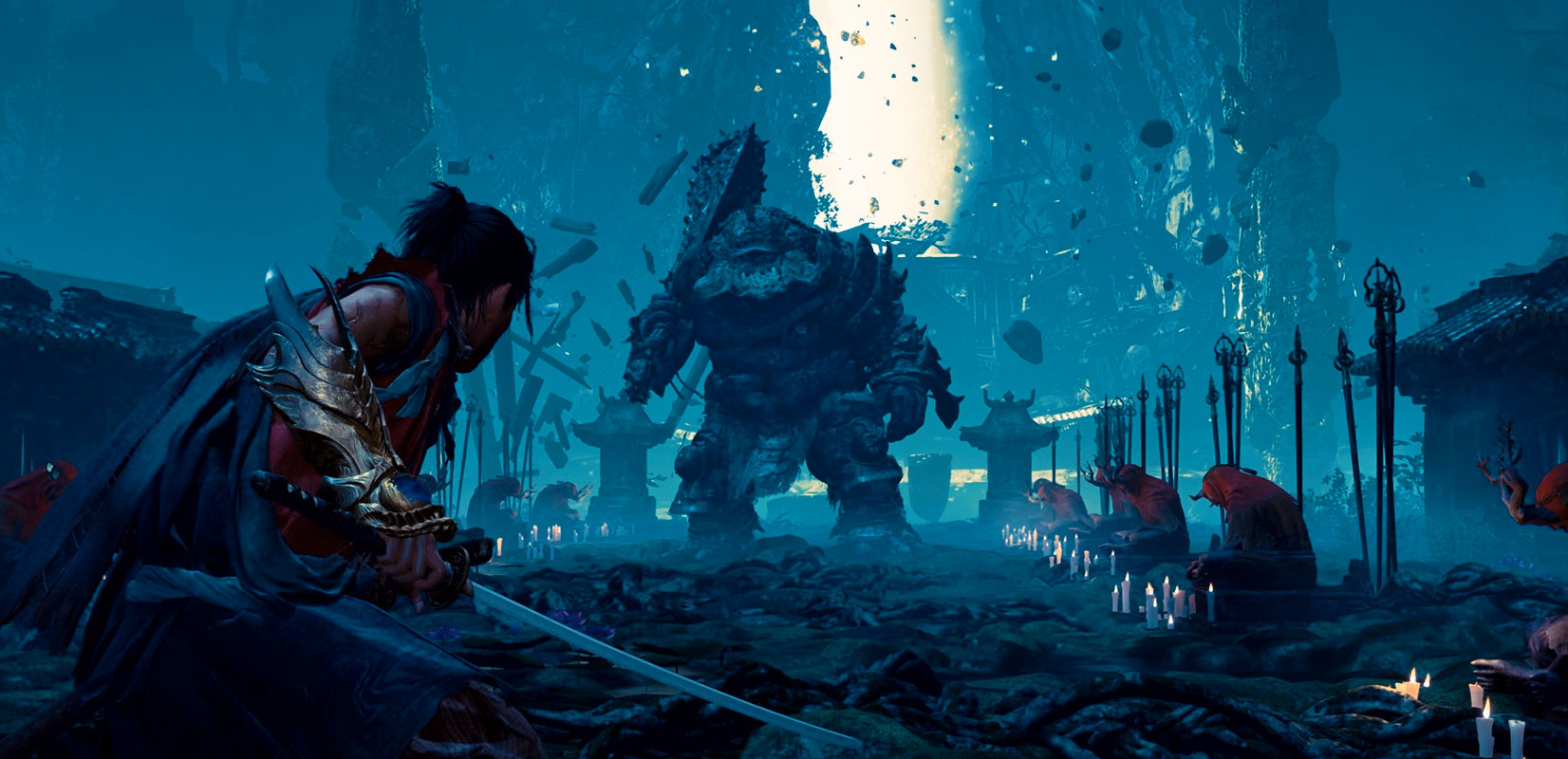
Was This the Onimusha Return That I Wanted?
Since I finished Onimusha: Way of the Sword, the question has been difficult to answer. There’s a very good game here.
The sword fighting is exciting, Musashi is great, and exploring is rewarding since searching every corner helps you find materials to upgrade your gear. The environments are beautiful, the Japanese voice acting is excellent, and the story delivers a satisfying ending.
I really wanted to say Capcom had another home run on its hands, but I can’t.
The sheer number of bosses and sub-bosses, repeated multi-phase battles, frustrating camera, tricky defensive timing, and steep difficulty in Action Mode eventually wore me down. Those choices are the main reason Onimusha: Way of the Sword didn’t fully land for me, even if I can see why others might appreciate them. Since I’ve never really enjoyed this style of action game, I often wondered if Onimusha needed to include so many of those design choices.
Longtime fans of the earlier games might find themselves asking the same thing.
On the other hand, players who love demanding action games might feel the opposite. Action Mode is a real challenge, and finishing the game actually unlocks a true Hard Mode for those who want even more punishment.
For everyone else, I really suggest trying Story Mode. Even though it’s called Story Mode, it’s not just an easy way to experience the story—it’s more like a standard Normal difficulty.
I’m glad the Onimusha series is finally back after more than twenty years of waiting. I just wish I had enjoyed playing through it as much as I enjoyed seeing the series return.
Rating: 3.5/5 atoms