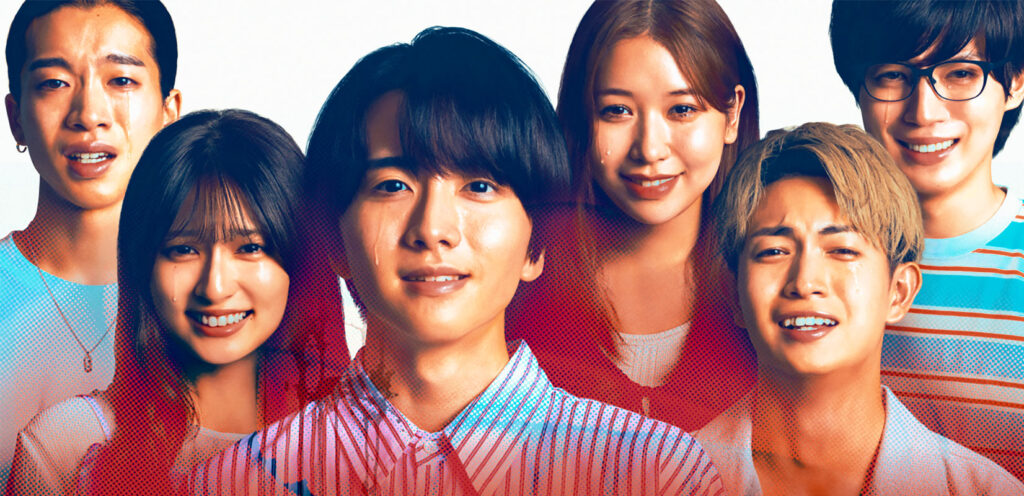
In 2002, Takashi Shimizu helped shape modern J-horror with Ju-on: The Grudge. After the massive success of The Grudge, he continued exploring the genre with films such as Marebito, Reincarnation, Howling Village, and Suicide Forest Village. In his best work, a ghost doesn’t have to rush at the camera to be scary; sometimes, it just needs to sit in the wrong corner or show up where you least expect it. The Mouths returns Shimizu to this familiar ground with a film that is as unsettling as it is creepy.
The story is straightforward: a huge tree stands at the edge of a cemetery and is cursed so that anyone who touches it and makes a wish is cursed. A group of university students does just that. After one of them disappears, the surviving students give different accounts of what happened, and the plot starts to twist and turn.
Masahiro Yamaura’s screenplay, based on Sesuji’s novella A Questionnaire About the Mouth, creates a supernatural mystery using testimony, contradictions, and manipulation. From there, the meaning of the title becomes much darker than you might think. The “mouths” are people whose stories have been twisted by jealousy, fear, and malice. In typical Shimizu fashion, many events are not what they first seem.
Takashi Shimizu’s The Mouths blends familiar J-horror imagery with sinister twists and atmosphere, and scares that linger after the credits.
Shimizu’s knack for visual dread is on full display right off the bat. He makes the cemetery feel scary even before anything supernatural takes place. Darkness fills the area, and the loud buzz of cicadas heightens the tension. The Mouths uses many familiar J-horror visual tropes: pale women, long black hair, stiff faces, and victims with wide, terrified eyes. Fans of Japanese ghost stories will recognize these visuals right away.
Still, Shimizu knows how to use these elements well. His scares don’t rely on sudden shocks. Instead, he quietly puts something disturbing in the scene and lets you spot it just a moment too late. The hanging corpses that show up again and again are the best example. They appear quietly in the background, silent and unnervingly still.
Overall, The Mouths sometimes relies too heavily on genre tropes, but its best scares show why Shimizu is still a tremendous filmmaker. He understands that fear comes from looking again at a doorway, a rearview mirror, or a dark spot behind someone and realizing what you hoped wasn’t there has been watching you the whole time, never blinking. That is what makes the ending linger long after the credits roll.
Rating: 4/5 atoms