
Onimusha: Way of the Sword is challenging, especially if you go into Action Mode expecting your skills from other action games to carry over. I found out the hard way that they don’t.
I learned this the hard way: by getting hit and dying over and over.
Parrying, Reflex Dodging, and recognizing enemy attack patterns are the basics of combat in Onimusha: Way of the Sword. Once these skills become second nature, the game gets much easier.
If you’re having trouble surviving against the Genma, here are some key lessons I learned while playing.
Stop Treating the Dodge Button Like a Dodge Roll
One of the toughest habits for me to break came from playing other action games.
Whenever I saw a big attack coming, my first instinct was to dodge roll out of the way. Many action games like Elden Ring and Black Myth: Wukong use a dodge roll, but Onimusha: Way of the Sword doesn’t. Instead, you have Reflex Dodge, and if your timing is off, you’ll probably get hit. If you press the dodge button expecting a roll, you’re almost certain to get hit.
So, you need to change that mindset. Practice Reflex Dodge on regular Genma enemies until it becomes muscle memory. Eventually, you’ll be able to do it even in the middle of hectic boss fights.
Use Whatever Defense You’re Best At—But Learn Both
If you’re better at parrying than Reflex Dodging, focus on parrying.
If Reflex Dodge feels easier for you, use that instead.
Staying alive matters more than sticking to one playstyle. Still, don’t ignore either mechanic. Boss fights will test whether you can tell which attacks to parry and which to dodge. For example, grabs must be dodged, so even if you’re great at parrying, you still need good Reflex Dodge timing.
Many attacks have a brief pause or a clear movement right before they hit. The more you see these animations, the easier it gets to know exactly when to react. Yes, you’ll probably get hit a lot while you’re learning. Parrying is usually more forgiving, so I like to use it for defense. But don’t assume that every enemy has the same timing. Practice against all of them.
Turn On Action Prompts If You’re Struggling
I strongly recommend trying out one setting: Action Prompts. Turning this on shows button icons that help you respond to incoming attacks.
This taught me something important late in my playthrough. I came across attacks that seemed to require a Reflex Dodge. But after turning on Action Prompts, I realized I was supposed to parry them. Parrying not only blocked the damage but also staggered the enemy, making the fight much easier.
If you keep getting hit and can’t tell if your timing is off, you might actually be using the wrong defensive move.
If you don’t want extra help, you can turn off Action Prompts, but it’s a very useful tool for learning.
Attack the Stamina Bar, Not Just the Health Bar
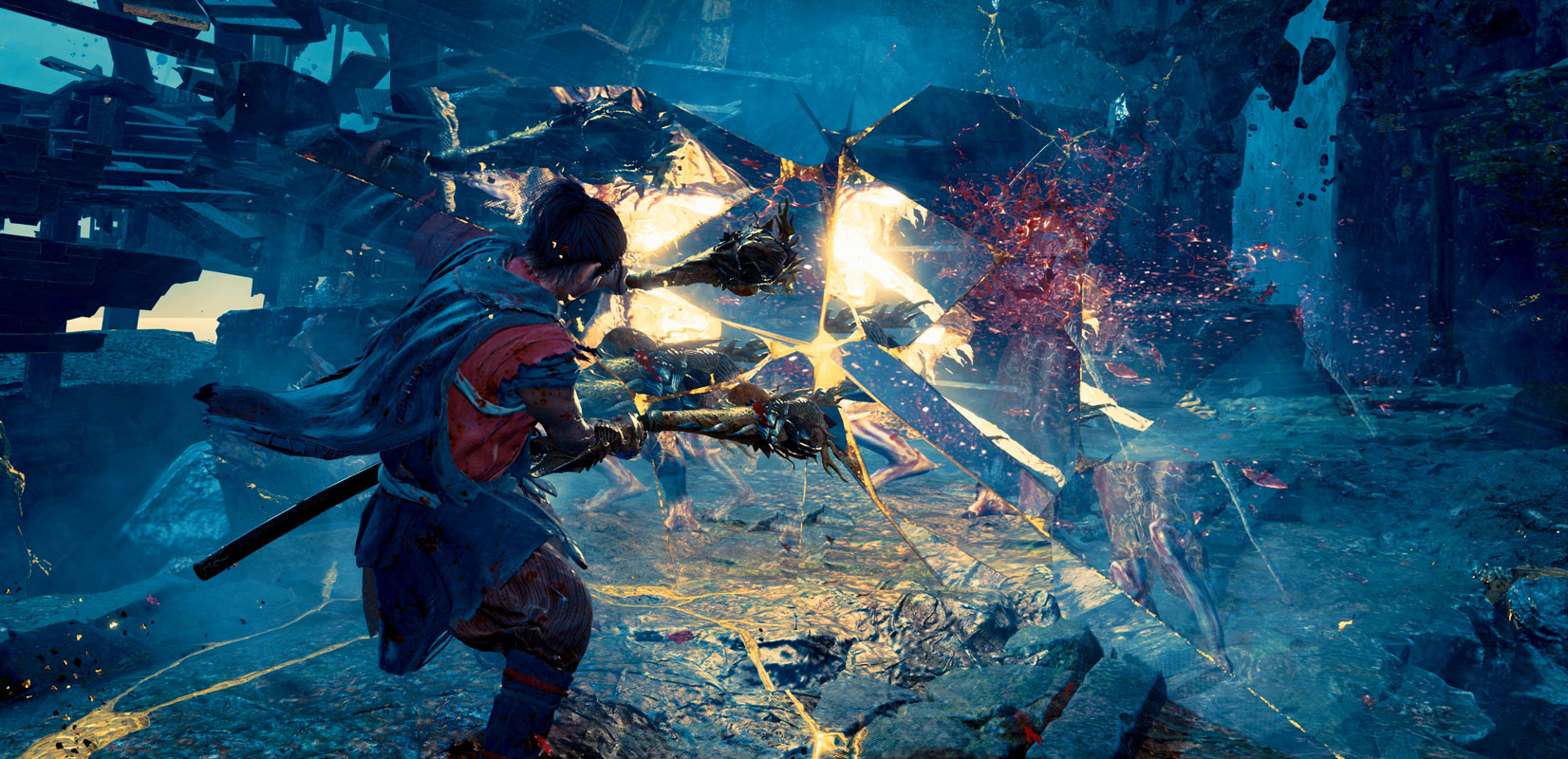
Don’t focus only on dealing direct damage. Breaking an enemy’s stamina can be even more valuable. Successful parries drain stamina, and if you empty the bar, you can use a cinematic finisher for big damage.
For bosses, I liked using the Earth-Shakers Oni weapon because it takes a big chunk out of their stamina bar. For groups of regular enemies, I preferred the Wind-Whipper since its wide attack can hit several enemies at once.
The main point is simple: don’t just ask yourself, “How fast can I empty this health bar?”
Instead, ask, “How can I defend myself against this enemy to create an opening?”
Don’t Get Greedy With Combos
When you get an opening, take it, but remember that your next defensive move could be more important than your next attack.
Mixing light and heavy attacks works well because you can deal good damage without getting stuck in a long combo. How much you can attack depends on the boss. Some enemies stay stunned longer, while others recover quickly.
Your Healing Animation Can Get You Killed
One of the most frustrating parts of Onimusha: Way of the Sword for me is that healing isn’t instant.
When Musashi uses a healing item, you have to wait for the eating animation to finish before your health returns. I often made the mistake of spamming the heal button, seeing Musashi eat a hozuki, and jumping back into combat, thinking I was healed. But I wasn’t.
Against aggressive bosses, that’s an easy way to get killed.
Step back first. Create an opening by blocking or dodging, then heal.
Healing items are rare, so don’t waste them. Boss fights often have multiple phases, so save your healing items.
Keep track of your Hozuki Pouch and how many healing items you have left. If you run out often, upgrading the pouch should be a priority since it lets you carry more healing items.
Upgrade Around Your Weaknesses
Don’t just follow someone else’s upgrade order. Upgrade based on what’s actually causing you trouble.
If you keep taking damage and running out of healing, look for materials to upgrade your clothes and Hozuki Pouch. Better clothes boost your defense, and a bigger pouch means more healing items.
If you’re good at parrying and dodging, it might make sense to focus on upgrading your weapons and attack skills. You can change your skills later, so don’t feel stuck with your first choices. As you play, you’ll find which abilities suit your style best.
Don’t Let Groups Surround You
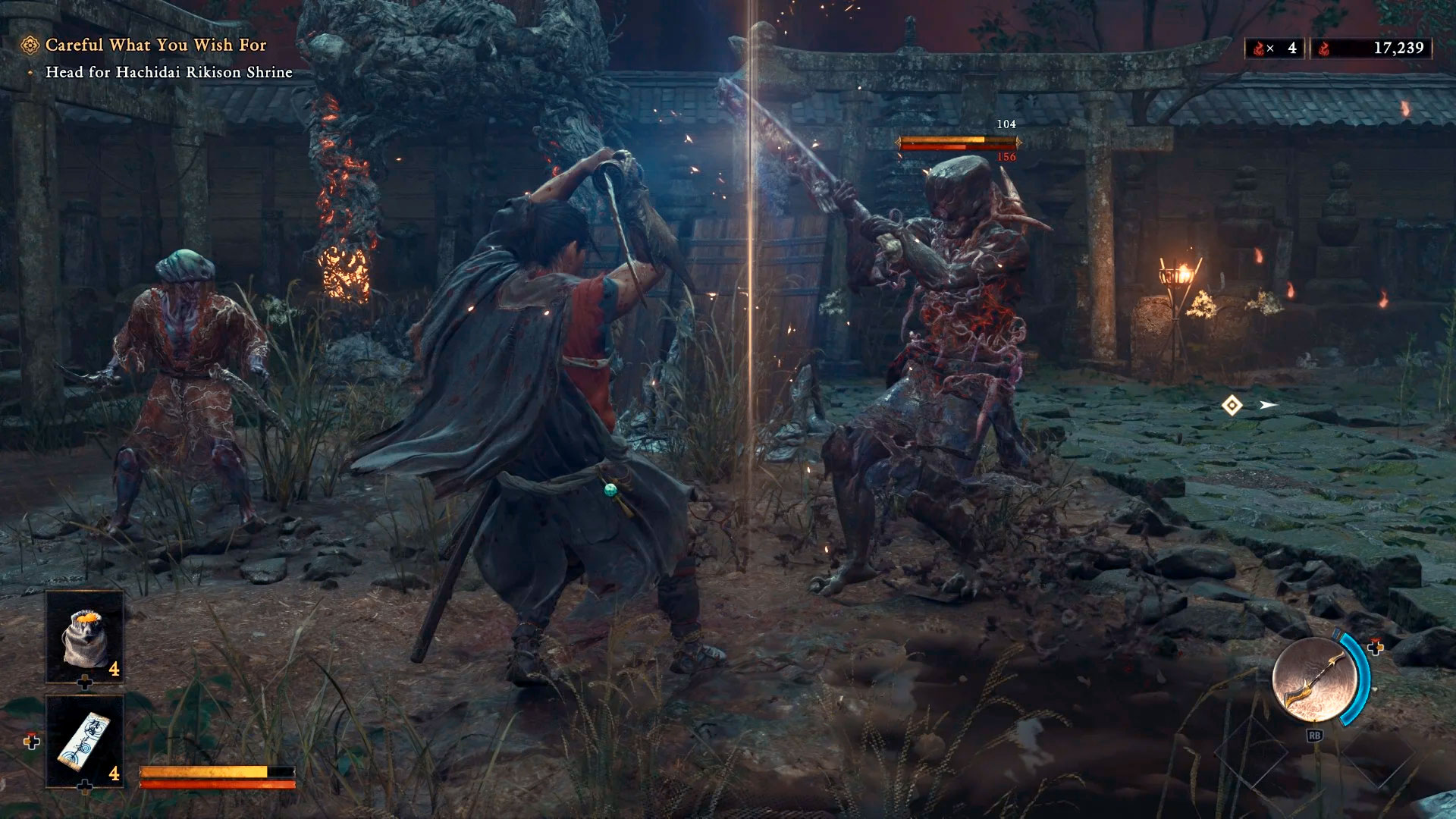
Fighting one enemy is easy. But as you get further in the game, facing several aggressive enemies from all sides can get chaotic quickly. I found it best to keep repositioning so most enemies stay in front of Musashi.
This helps in two ways. First, it reduces surprise attacks from behind. Second, it helps with one of the game’s biggest issues: the camera. Lock-on is useful, especially for special attacks, but sometimes it puts the camera in a bad spot or gets stuck, making it hard to see attacks coming.
Keep moving. Step back when you need to. Don’t be afraid to play defensively until you’re in control. If there are ranged enemies, try to take them out first, but always watch for attacks from the ground.
Don’t Run Away From Bosses—Study Them
When a tough boss beats you, your first instinct might be to put as much distance as possible between you and the boss. But some bosses can close the gap almost instantly. I found it better to stay close, block often while watching my stamina, and spend time studying the boss.
Watch the body animations.
Look for breaks.
Learn which attacks can be parried.
Learn which need to be Reflex Dodged.
Watch for grabs.
Then start responding.
Be careful not to block too much. You need to manage your stamina, and later bosses can punish players who are too defensive with a steady stream of attacks. Early attempts aren’t just about winning—they’re about learning your opponent. It’s like Edge of Tomorrow: you keep dying until beating your opponent becomes instinct.
Sometimes You Need to Stop Attacking
This might be the most important lesson in Onimusha: you don’t always need to be dealing damage.
Sometimes the right move is to back off; sometimes it’s to block. Other times, you should wait for a parry chance or position enemies in front of you. Sometimes, it’s best to collect Souls during a break before the Genma can grab them.
Onimusha: Way of the Sword is especially tough if you’re impatient.
Breathe
You’re probably going to die a lot. After a while, it can get discouraging and make you want to throw your controller or punch your desk. I’ve almost thrown my controller more than once after getting close to beating a boss, only to get hit by one combo, die, and have to start over.
So, my best advice is to breathe. Take a deep breath in and out. Calm yourself, because the game can get really frustrating. If you’ve been stuck on a boss for hours, take a break and come back later.
Remember, every missed parry, failed dodge, and tough boss fight teaches you something you can’t get from upgrades: you learn more about the enemy, and you learn to stay calm under pressure.
In Onimusha: Way of the Sword, that might be the most important upgrade of all: knowing the enemy better.